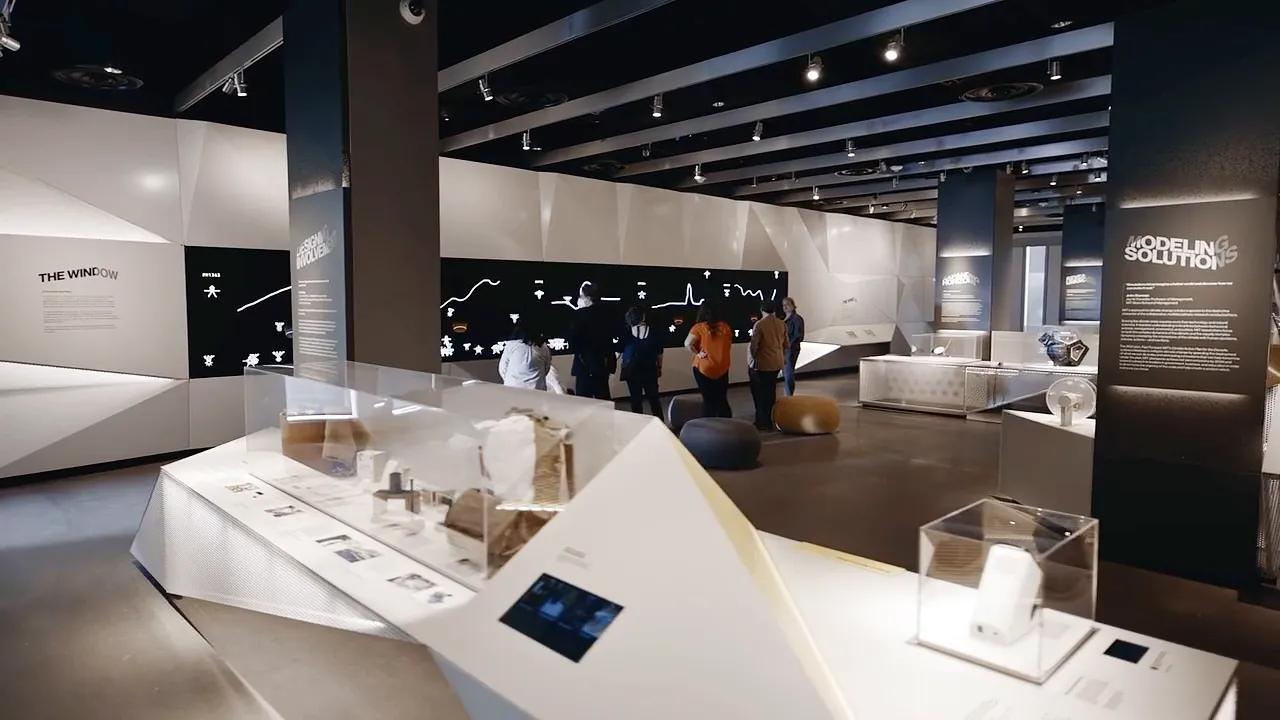
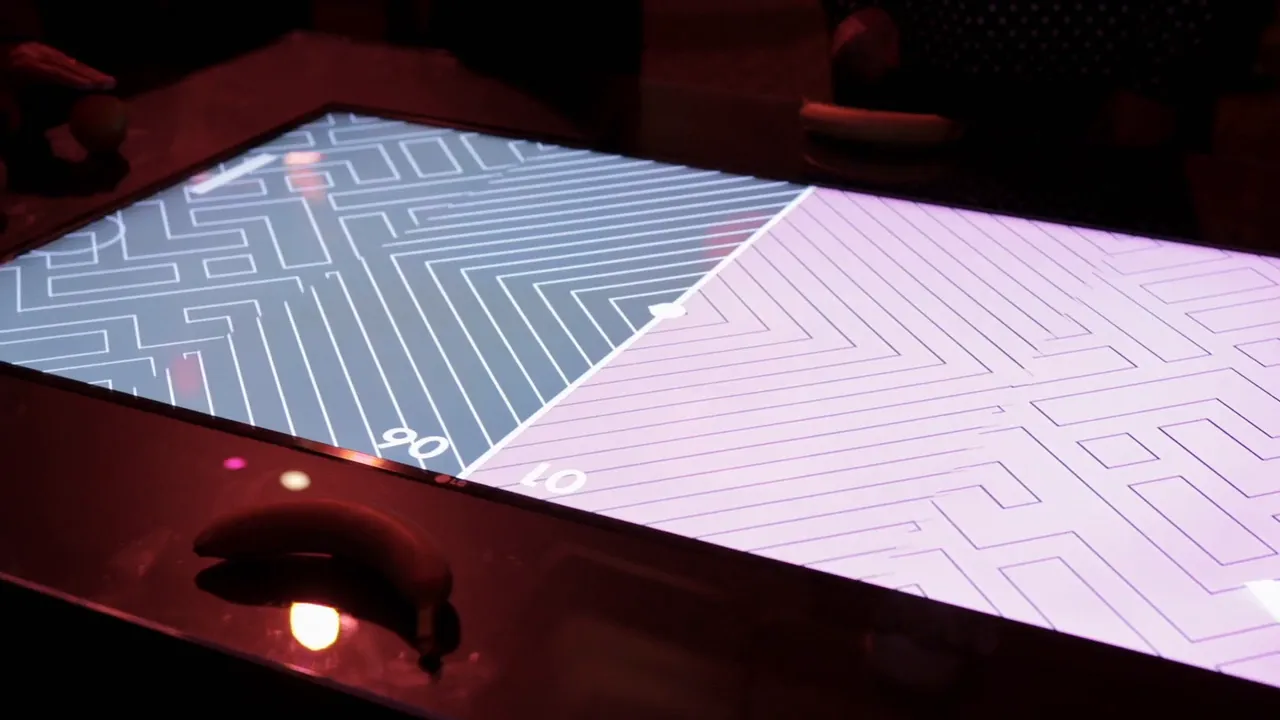
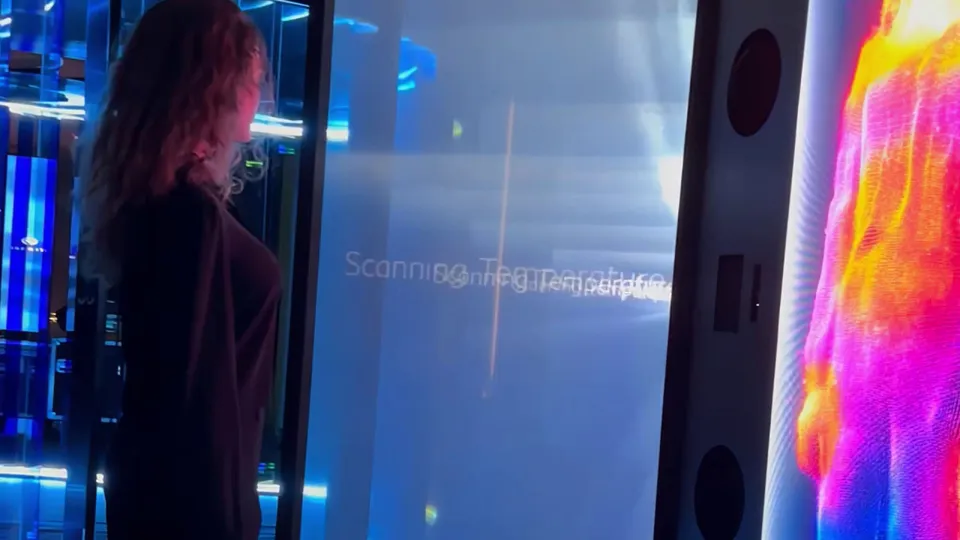
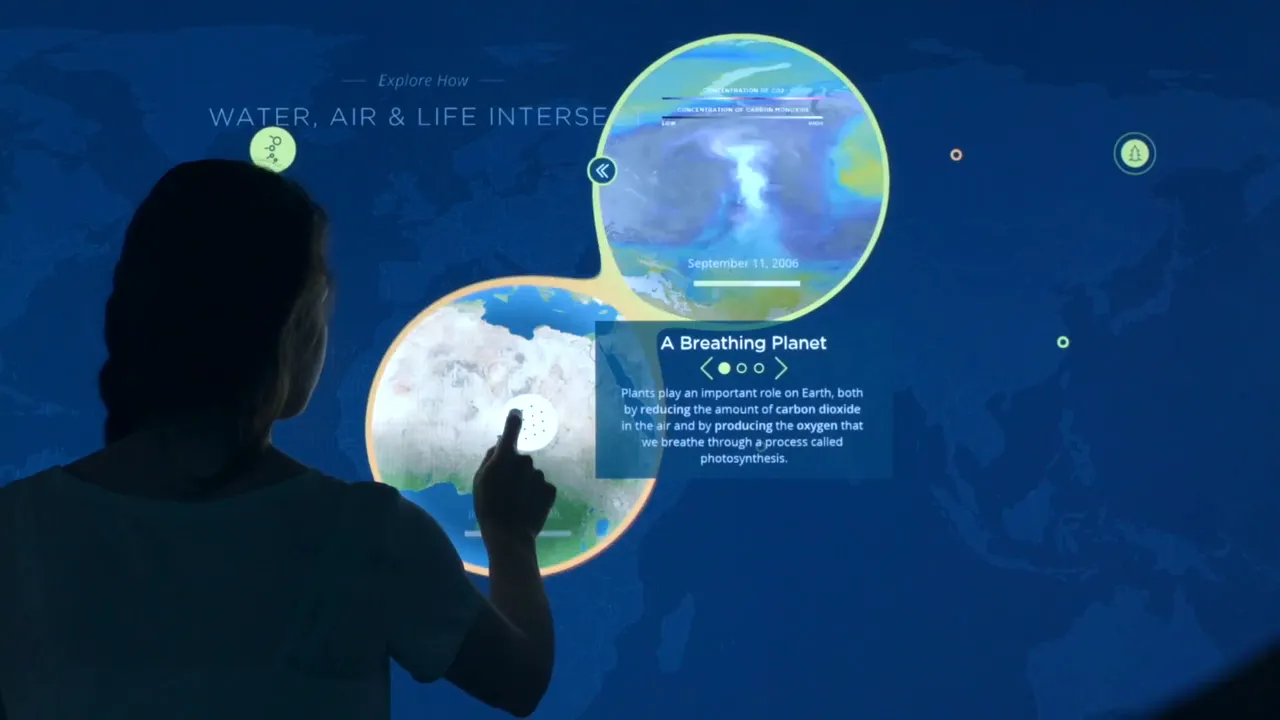
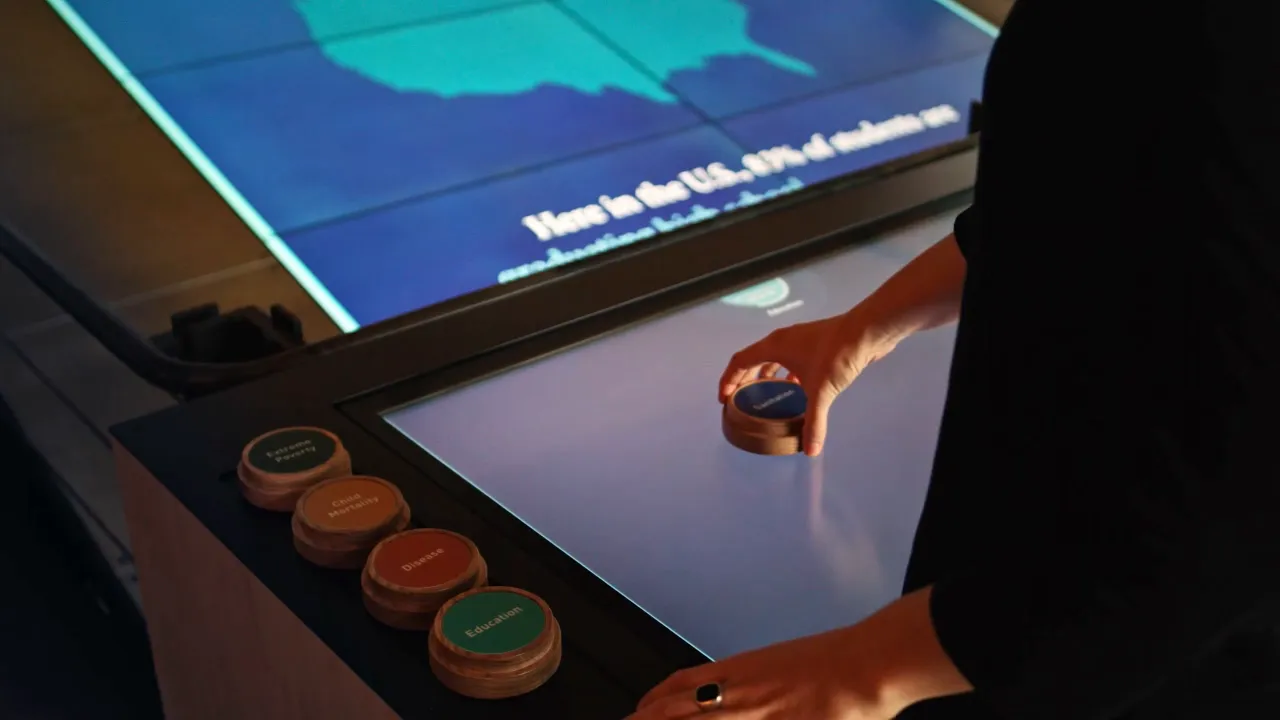
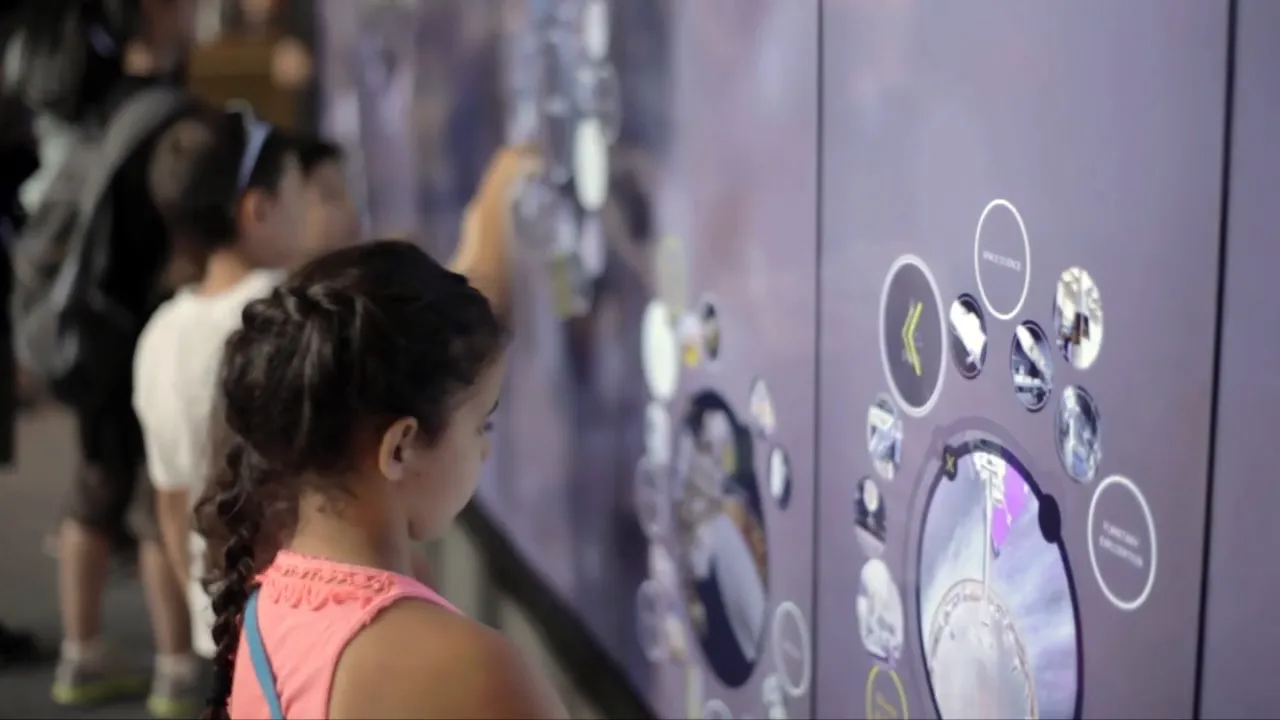
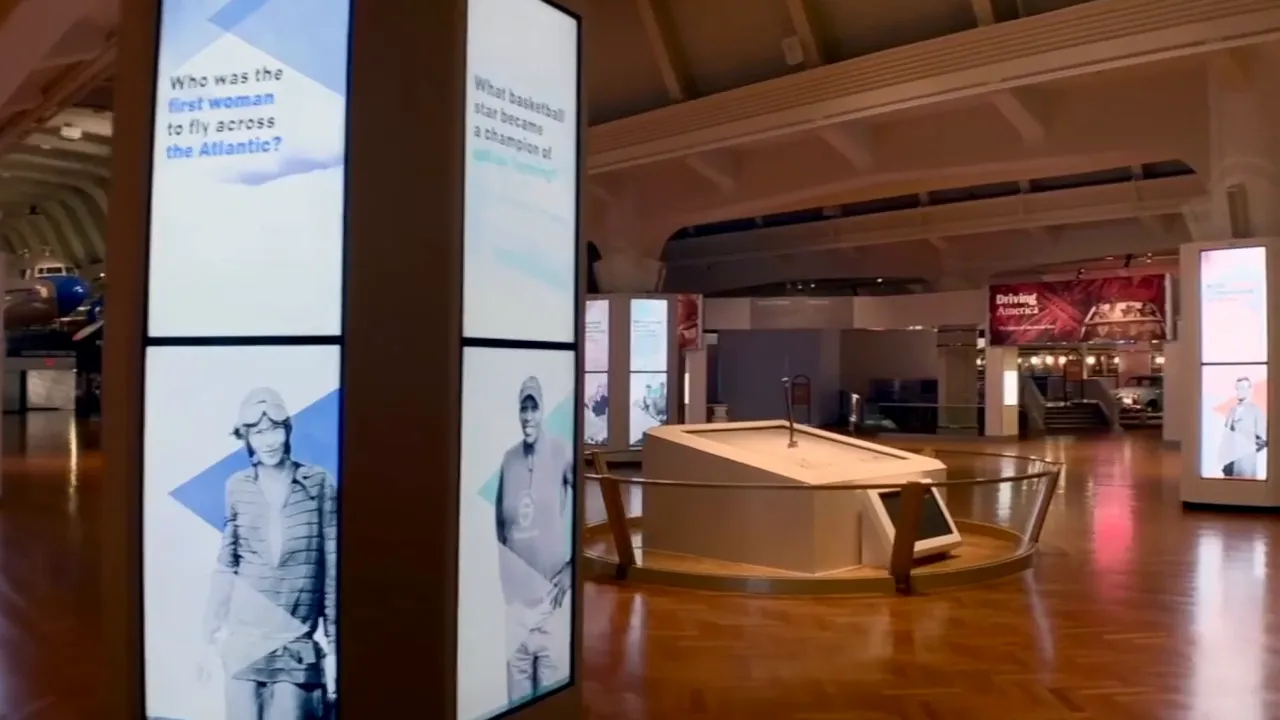
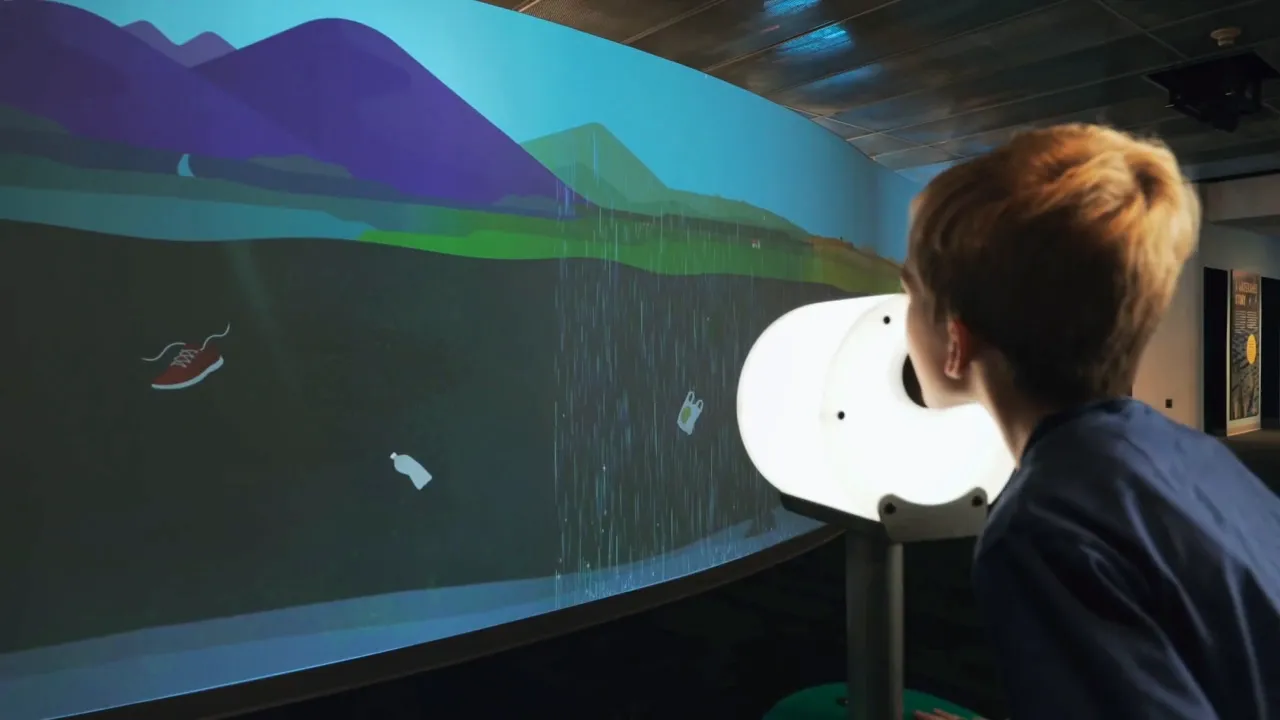
Seven live-AI experiences, one shared foundation, a two-day install, nine weeks from kickoff to opening.
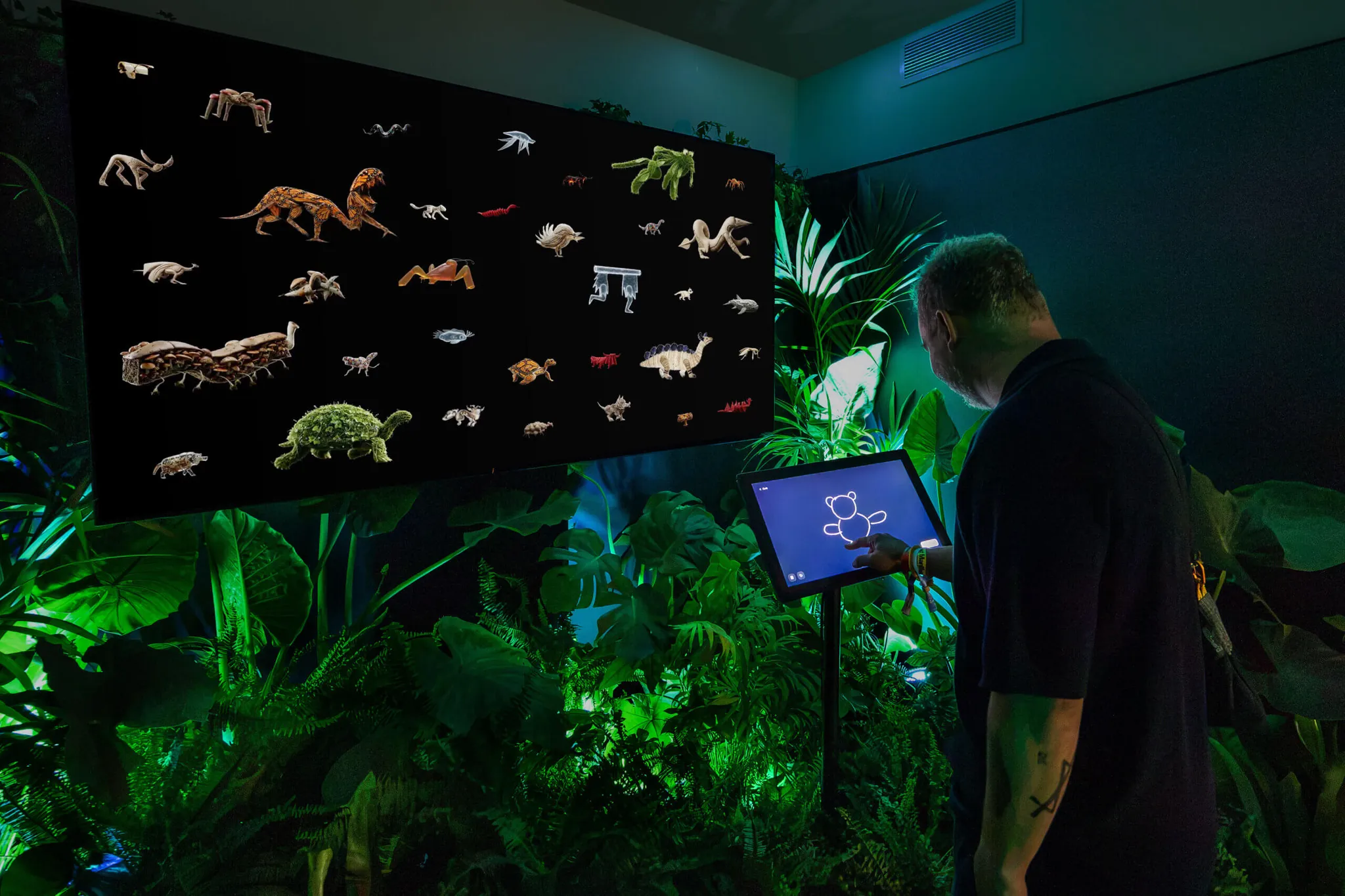
Google Creative Lab built its first Creative House at Cannes Lions 2026: a villa away from the beach where creatives got hands-on with Google's newest AI models. Its position was clear, AI to amplify human creativity, not replace it, and every experience left room for guests to bring their own. Sketch a creature and watch it come to life. Write on a blank record and hear it play. Step into a gallery and become the art.
I joined as integrated Creative Technology Director, working alongside experiential Creative Director Richard The. My job was to turn seven fast-moving concepts into one foundation that could run reliably for a week: spec the hardware and network, build the shared infrastructure, shape early prototypes into exhibit-ready apps, and write a good share of the code myself.
From Sketches to Architecture
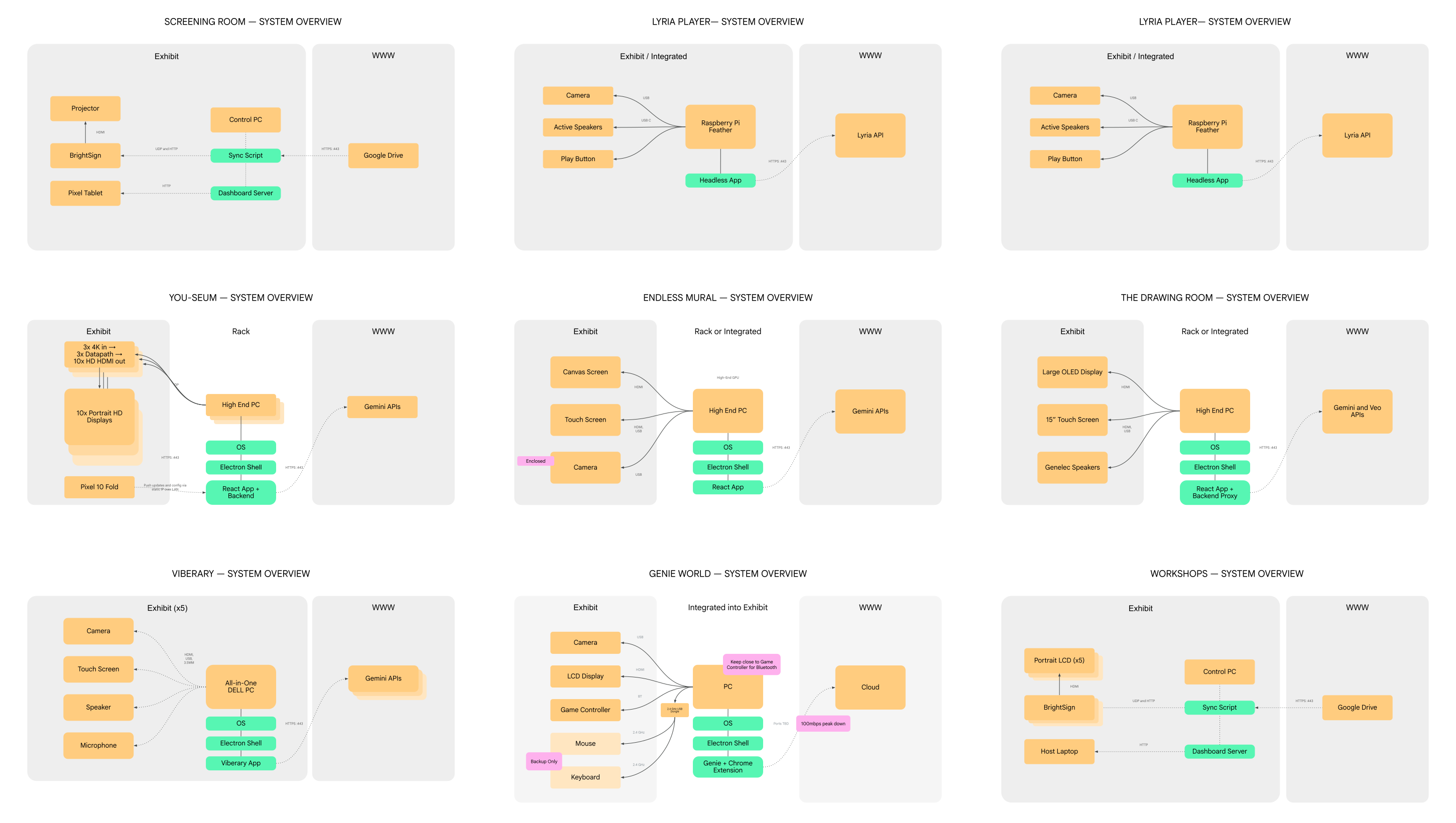
I wanted the team to keep exploring and iterating for as long as possible, so instead of forcing early concept decisions to fit the schedule, I locked the foundation underneath them: hardware, network, and each app's setup.
That gave them solid ground to work from, and let the physical build move ahead without waiting on final concepts. Translating loose concepts into specs and coordinating them with our UK production and AV teams was most of the early work; the other half was proving it on a full mockup with real hardware before anything shipped.
AI as the Material
Every experience generated its content live, using Gemini, Veo, Nano Banana, and Lyria. We used the same tools to build the experiences themselves, which meant we could test an idea in hours instead of days.
Building faster let us explore more directions early, but it didn't shorten the real production work.
Getting from a working prototype to something stable enough to run unattended for a week still took weeks of coding and creative iteration. The hard problems were the ones live generation created, and each needed its own approach:
Building our own Pipeline Tools
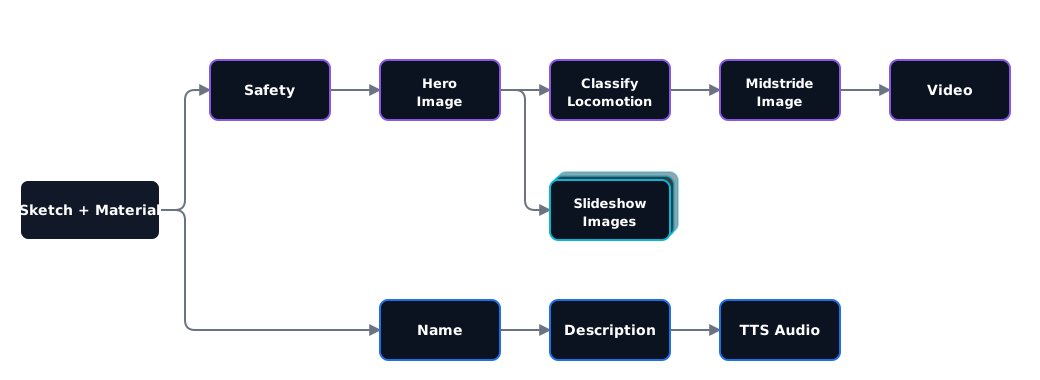
Live generation ran through several AI models in a row, where a change in one step could ripple through the rest unpredictably. To tune that, I needed to see the whole pipeline at once, not just the final output.

Quality Control
AI output is inherently random. Rather than assume we could get a generation right in one shot, the team's approach was to generate many variations and use AI to pick or refine the best, an idea that kept resurfacing across the project.
One Foundation, Many Apps
No two rooms were alike. Each app was standalone, built by a large team of mostly web developers in parallel, but every one ran on the same foundation.
Electron shell: Web apps let a distributed team build and review quickly, but brought their own problems: 4K streams crashing GPU decoders, mismatched refresh rates, apps spanning multiple displays. The shell absorbed all of it, so when displays got rearranged on-site, the apps just followed.
Ziptie: The work moved around constantly. Programs passed through multiple developers, people rotated on and off, and the drawing experience I owned had already been through two devs before me. That only works if every machine behaves identically no matter who's touching it, and if a failed PC can be rebuilt on-site to come back exactly the same. Ziptie, my deployment tool refined across years of installation work, does exactly that.

London Mockup
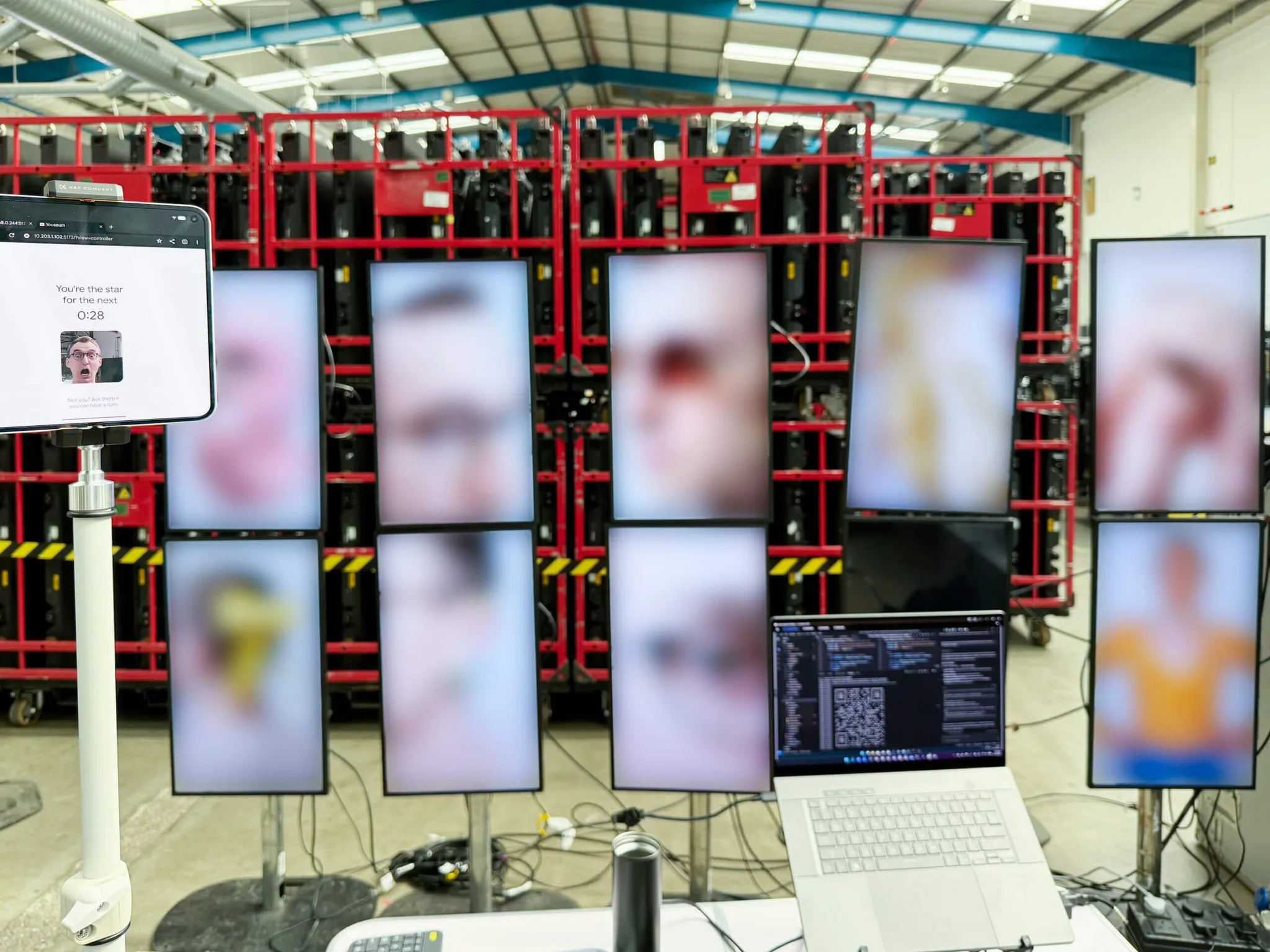
A staging week at Creative Technology's warehouse in London put every experience on real production hardware before anything shipped. I prepped every PC, tested most of the apps end to end, and worked through AV and software issues as they came up, handing hardware faults straight to the AV integrator to fix.
We caught network quirks, two PC failures, and a dead display there, and replaced all of it while it was still cheap and calm to do so.
Two Days in Cannes
Five interactive demos, ten PCs, two days to get it all running in the villa. The prep in London paid off: every PC came up in minutes from a frozen baseline, and every developer was productive the moment they walked in.
My days looked much like London, prepping machines, testing apps, and chasing down AV and software issues with the integrator, but now against a fixed opening date. We spent the two days tuning experiences to the space, not fixing infrastructure.
"The exhibits are proof that we can retain personal creative agency and use AI to bring our imaginations to life in new and very compelling ways. I doodled a character I have been doodling since I was a child and saw it come to life with an amazing backstory more beautiful than I could have dreamed of." — Guest feedback
Embracing AI as a Creative Tool
I'm still adjusting how I think about generative AI: unlearning habits from traditional pipelines and learning where it works best. Case in point: generated animals occasionally faced the wrong direction, and I spent a long time optimizing prompts when a small AI vision check plus a video flip would have solved it in minutes. The lesson isn't "add more AI," it's knowing when a small, well-isolated AI step beats hours of prompt engineering.